

What Would Your Person Living With Dementia Want For You?
Many dementia caregivers do not simply place their own needs lower on the priority list. Over time, they often remove themselves from the equation entirely.
In this article, I explore why accepting support can feel so difficult for loving spouses and adult children, even when they know they need it. More importantly, I explore the difference between being responsible for someone you love and believing you must carry every responsibility alone.
Because support does not replace devotion. Sometimes, it is what makes devotion sustainable.
Understanding Dementia Through The Lens of Ability, Disability, and Relationship
Dementia changes the brain, but understanding those changes can transform the way we respond. Learn how viewing behavior through the lens of ability, disability, and relationship can help caregivers build stronger connections and preserve what matters most.

What Makes Families Human
After spending time with a family navigating dementia care, one truth became clear. The way a person feels in your presence may matter more than anything else. A moment of unexpected confirmation the following day made that even harder to ignore.
The String That Connects You
When someone you love is living with brain change, it’s easy to focus on understand what’s happening in the brain. And that matters. But there is something just as important that often gets lost along the way: the relationship.
Even as memory fades, connection remains. Your loved one may not always know your name, but they can still feel your presence, your tone, and your love. And in many cases, that connection is what brings the greatest sense of peace…to the very end.

How Education Transforms the Dementia Caregiving Experience
Stepping into the role of caregiver for someone living with dementia often happens without preparation, training, or a clear understanding of what to expect. While love and intention are always present, they are not the same as having the tools needed to navigate the complexities of the disease.
This article explores how guided education helps caregivers move from uncertainty to confidence by providing clarity, practical strategies, and a deeper understanding of what is happening in the brain. When caregivers are supported in this way, not only does their experience change, but the quality of care and connection they are able to offer improves in meaningful and lasting ways.

A Person Living With Dementia Is Still A Person
Dementia changes the way the brain processes information, but it does not erase the person.
When we begin to understand what is actually happening beneath the behaviors we see, everything shifts. Person-centered care is not about fixing what has changed. It is about learning how to meet someone where they are, with dignity, patience, and understanding.

The Moments That Stay
He has loved her for 50 years.
Now, he is walking her through a world that no longer makes sense.
This is a story about caregiving, devotion, and the quiet, powerful work of staying… even as everything changes.
You’re Not Doing It Wrong: A Better Way to Respond in Dementia Care
Caring for someone living with dementia at home can feel overwhelming, especially when conversations become confusing or tense. What if one small shift could make those moments easier? In this article, we share a simple, practical approach that can reduce stress, prevent conflict, and help you feel more confident in your caregiving.
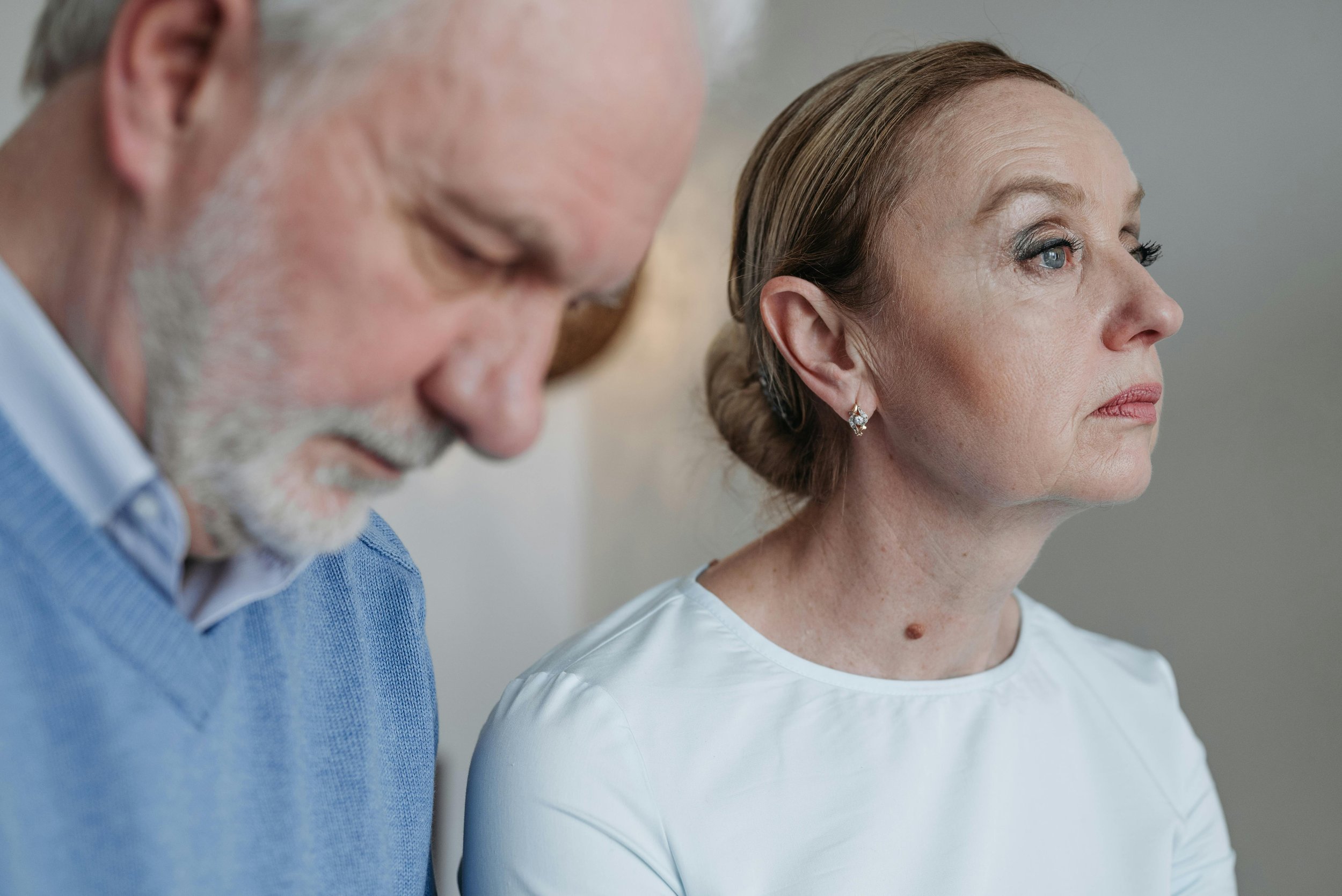
The Love That Stays
Caregivers of people living with dementia often find themselves doing two things at once - caring deeply for the person in front of them while quietly grieving the relationship they once knew.
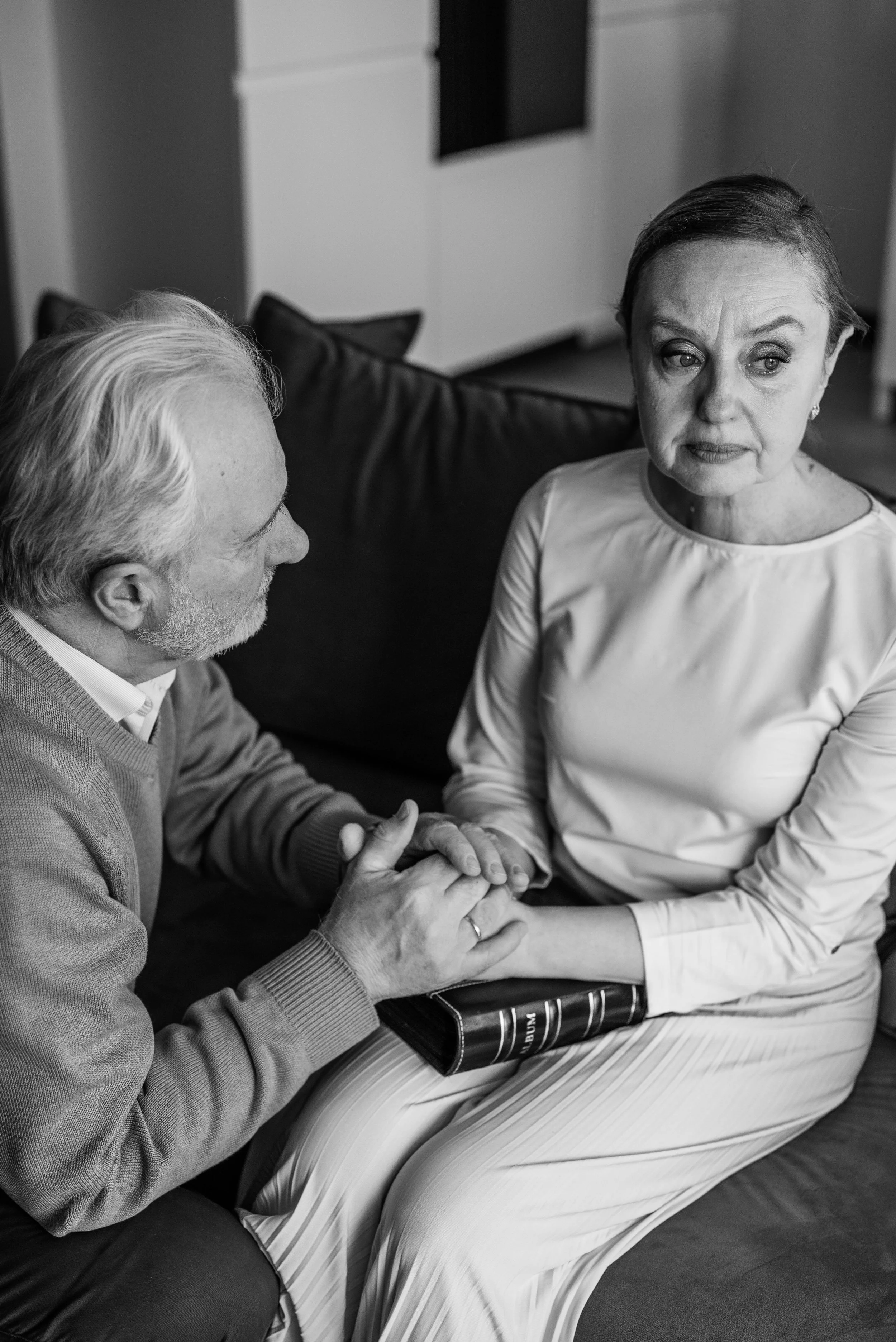
Why Dementia Caregivers Struggle to Ask for Help—and What Families Can Do
Caregivers often say the same thing: “I don’t want to be a burden.”
But when someone is living with dementia, both the caregiver and the person they love may struggle to accept help in different ways. Understanding this dynamic can transform how families support one another—and create more meaningful moments together.

A Community That Cares: Supporting Aging in New Braunfels
In New Braunfels, community is something we live every day. From neighbors checking in to churches supporting families in difficult seasons, compassion runs deep here. As more families navigate the challenges of aging and dementia, it’s becoming clear: supporting our aging population isn’t something families should do alone—it’s something a community does together.
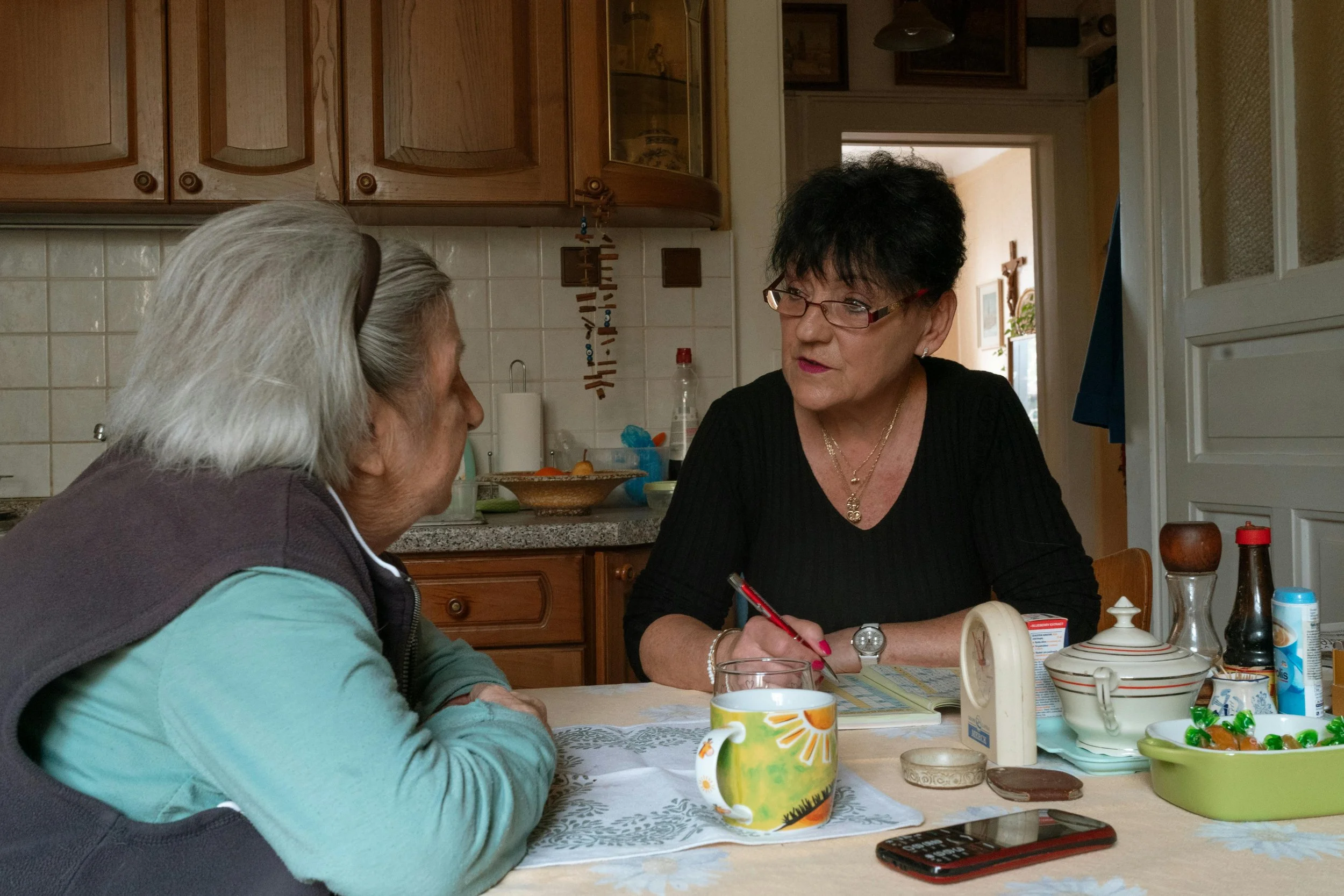
The Middle Ground: What a Diagnosis Doesn’t Prepare You For
A dementia diagnosis gives you a name and a treatment plan. What it does not give you is preparation for the long, exhausting middle ground that follows. When redirection stops working and behaviors feel unpredictable, caregivers are left wondering what they are missing. This article explores the space between diagnosis and advanced decline and why understanding behavior changes everything.
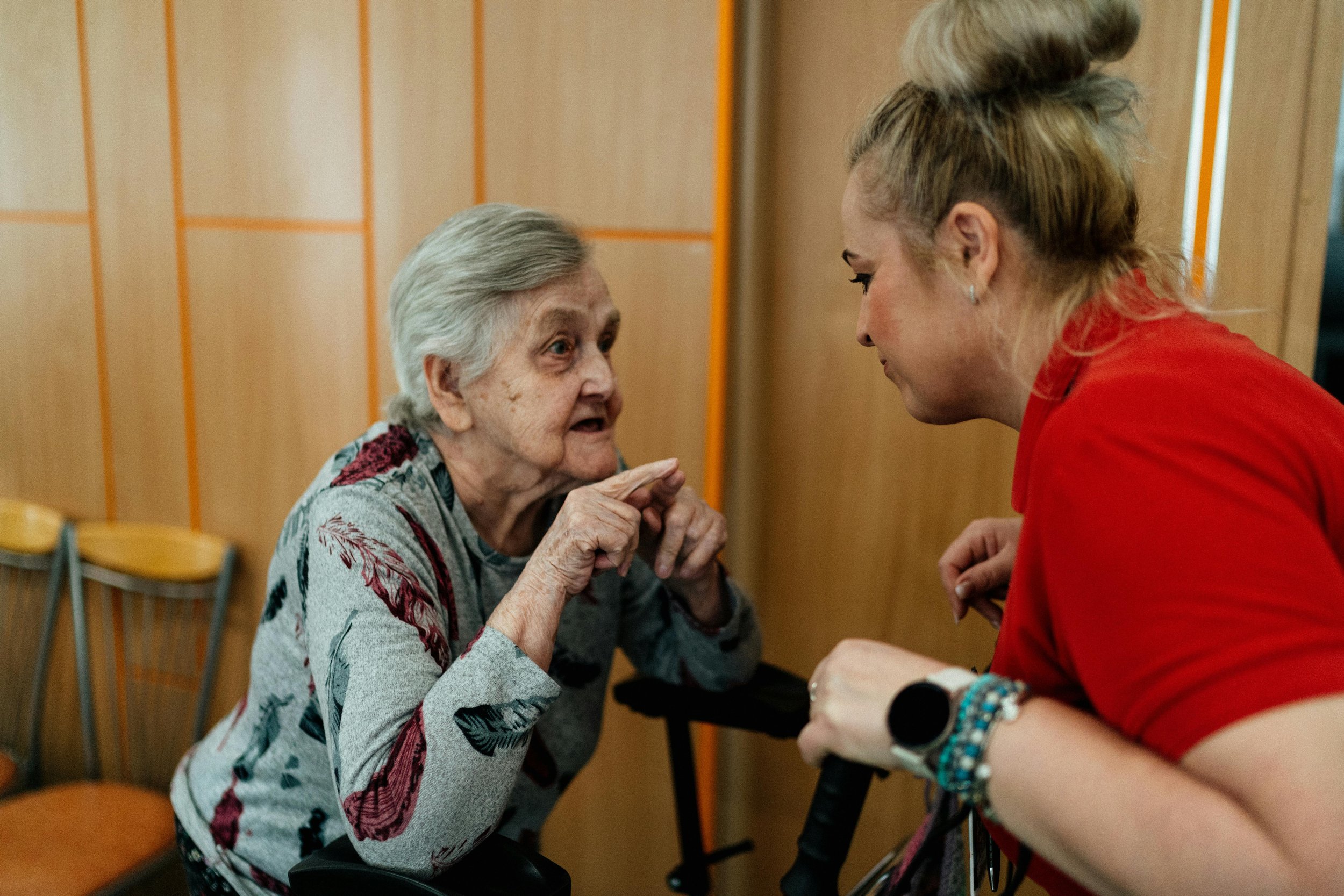
National Caregiver Day
Honoring the Quiet Heroes Walking the Dementia Journey
Today is National Caregiver Day.
But for the millions of people caring for someone living with dementia, today probably looks a lot like yesterday.

When Did We Turn Healthcare Into “HealthBUSINESS”?
Care should feel personal. Yet many families describe an experience that feels rushed, segmented, and transactional. What happened to whole-person thinking in healthcare, and how can we gently bring it back?
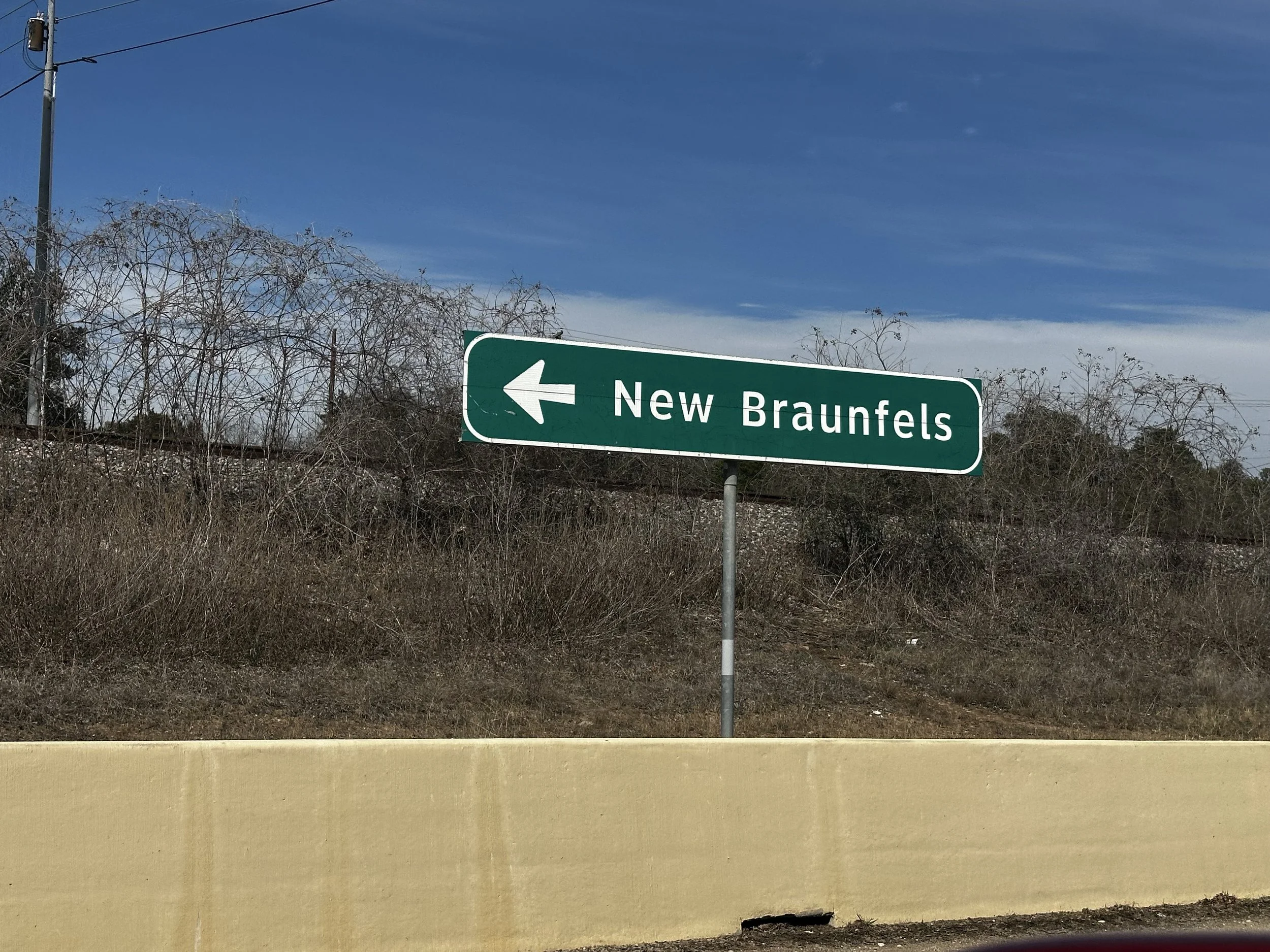
You Were Never Meant To Do This Alone.
Caring for a loved one living with dementia can be isolating, overwhelming, and emotionally exhausting — yet millions of caregivers quietly carry this responsibility every day. In this article, Still Waters Consulting explores the powerful role community plays in reducing caregiver stress, restoring confidence, and creating connection. We are also seeking a donated space in New Braunfels to launch a monthly educational support group designed to nurture, equip, and support those walking the dementia journey.
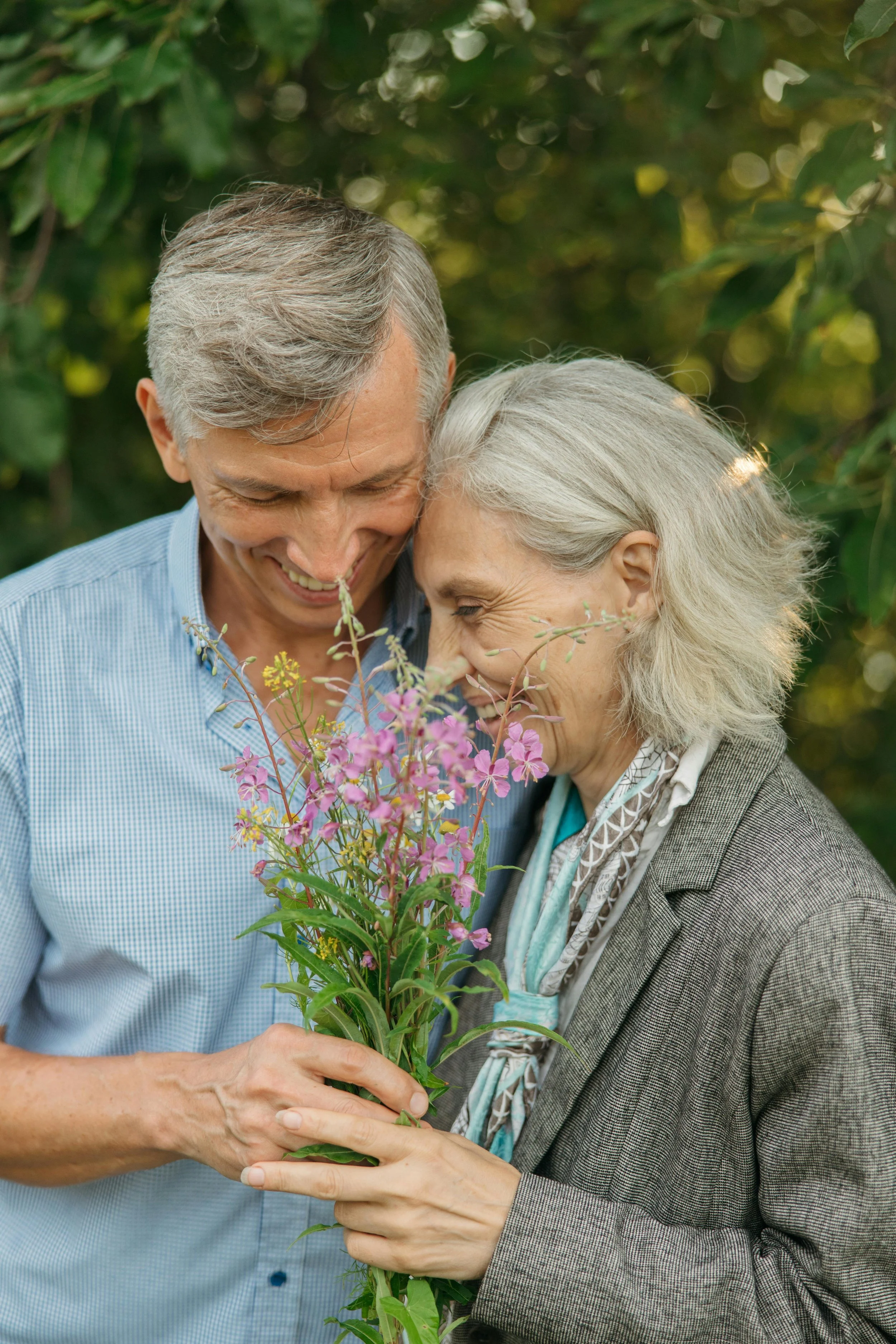
Dementia Care Is Not About The Diagnosis. It’s About The Person.
Primary caregivers do not struggle most with understanding what dementia is. They struggle with why their loved one is suddenly afraid of the shower. Why they keep asking to go home when they are already home. Why they no longer trust familiar people. Why logic does not work anymore. Why the relationship feel like it has completely changed.
These moments are painful because they feel personal. And in a way, they are.
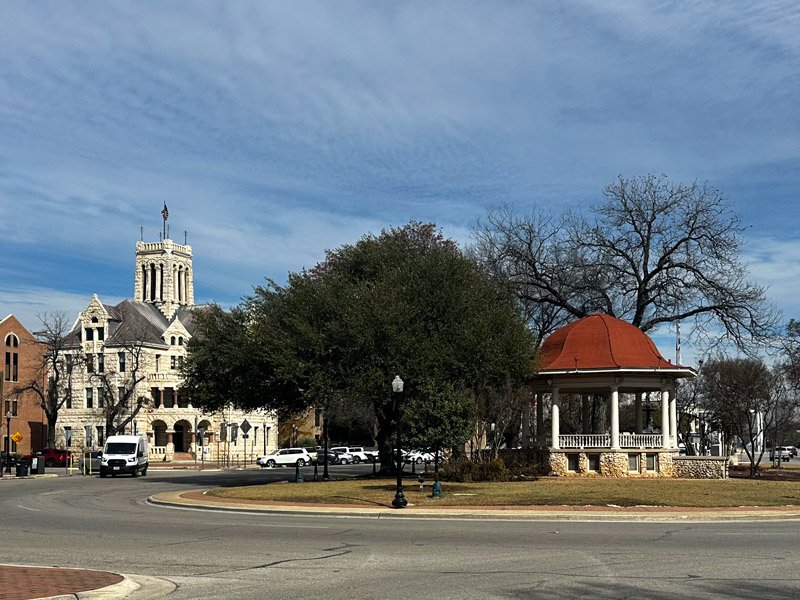
Beginning Where We Are: Building Dementia Support in New Braunfels
Every meaningful journey begins with a small, intentional step. This week, Still Waters Consulting has begun taking those first steps into the New Braunfels community with open hands and hopeful hearts.
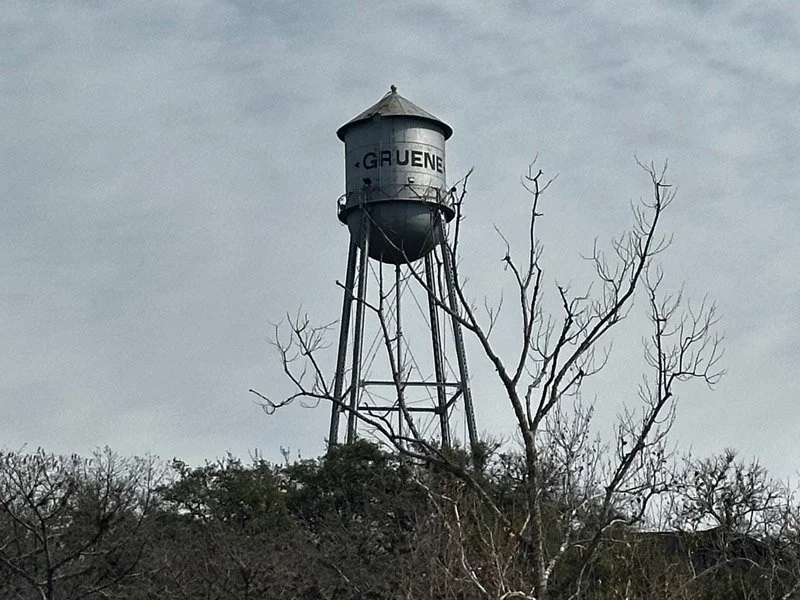
A Commitment to our Community
When my son and I first arrived in New Braunfels, we were welcomed with warmth, kindness, and a sense of community that immediately made this place feel like home. It is this spirit of connection and care that inspired me to create Still Waters Consulting, a way to give back to a community that has already given so much to my family.